

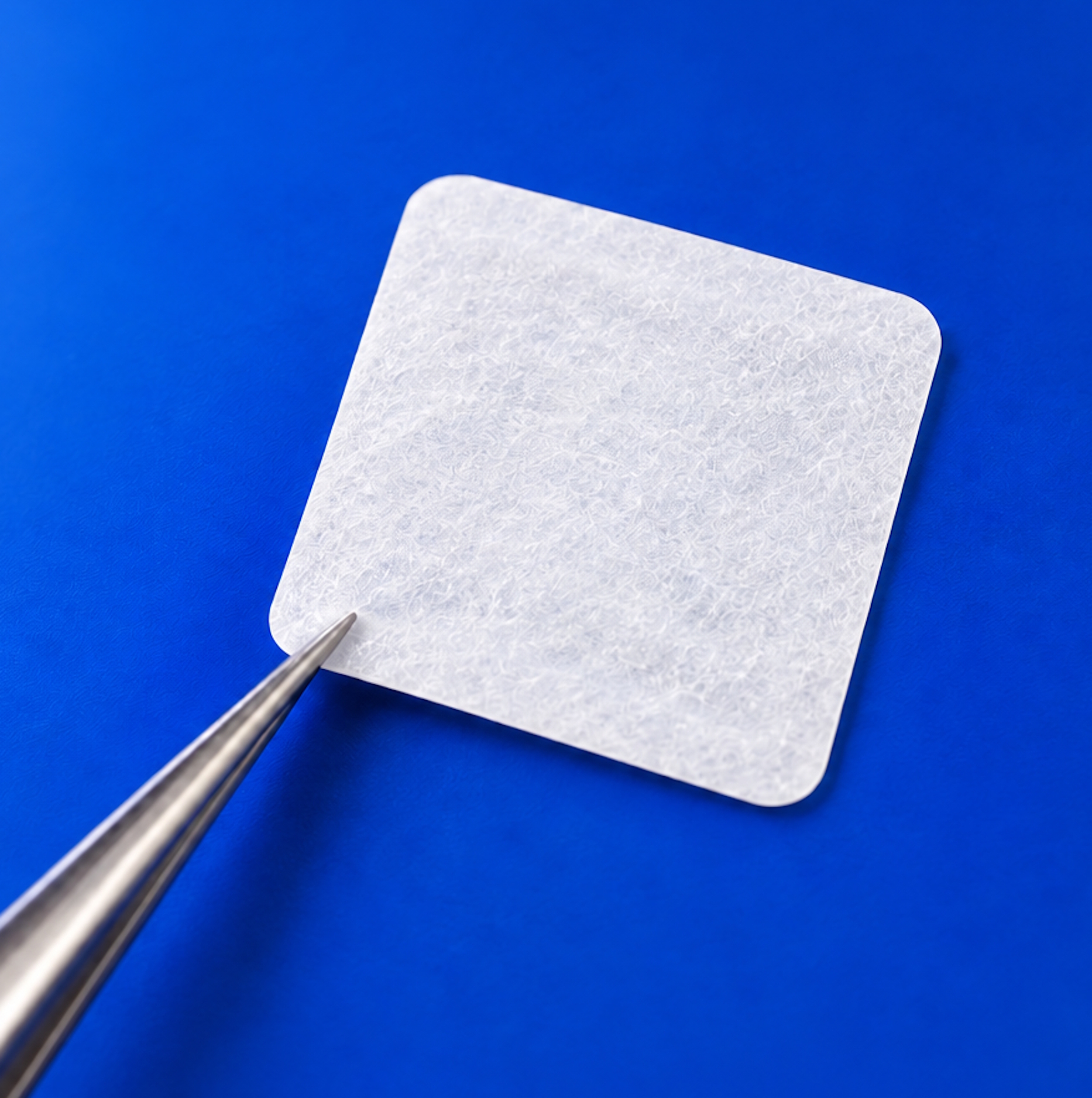

Boston — Privo Technologies reported updated Phase 2 results showing a 95.5% pathologic complete response rate with PRV111, its investigational topical treatment for non-invasive oral cancer and high-grade dysplasia.
The results come from Cohort 1 of the CLN-004 trial, which evaluated PRV111 in 22 patients at four U.S. hospitals specializing in head and neck cancer.
PRV111 is a nanoengineered topical patch designed to deliver cisplatin directly into oral lesions while limiting systemic exposure.
Twenty-one of 22 evaluable patients achieved a centrally confirmed pathologic complete response after one treatment cycle. The remaining patient was downstaged from carcinoma in situ to low-grade dysplasia.
Privo said all patients avoided their planned standard-of-care surgery. Treated mucosal tissue healed without scarring or distortion.
At a median follow-up of about 14 months, ranging from eight to 21 months, no recurrences had been observed in treated areas.
Systemic cisplatin exposure remained negligible, and 85% of treatment-related adverse events were mild. No serious treatment-related adverse events or dose-limiting toxicities were reported.
“The complete response rate of 95.5% and the treatment durability achieved with PRV111 is among the highest reported for localized therapies in this setting,” said Eric Lamarre, M.D., Chief of Head and Neck Surgical Oncology at Cleveland Clinic and an investigator in the study.
He said the treatment could offer a non-surgical alternative for patients who otherwise may face repeated procedures that can affect speech, swallowing and appearance.
The Phase 2 study follows an earlier first-in-human trial of PRV111 that showed local tumor responses without systemic toxicity.
“We are one step closer to providing patients with a non-surgical alternative to repeated operative procedures,” said Manijeh Goldberg, Ph.D., MBA, CEO, President and Founder of Privo Technologies.
PRV111 is designed to deliver high concentrations of cisplatin directly into dysplastic tissue and surrounding mucosa during a brief outpatient treatment. The patch is removed after drug delivery.