

BOSTON — Neurable said it is transitioning to a licensing platform model that will allow global original equipment manufacturers to integrate its brain-computer interface technology directly into consumer devices, marking a new phase of commercialization for the company.
The move is aimed at scaling adoption of noninvasive brain-sensing technology across industries, including consumer electronics, gaming, healthcare, and defense. The company said the shift positions it to bring cognitive-enabled products to market more broadly as demand for next-generation wearable technology grows.
Neurable’s platform enables partners to embed its AI-powered brain-sensing technology into products such as headphones, glasses, hats, and headbands. Devices built using the system will carry a “Powered by Neurable AI” label, signaling the company’s underlying technology while allowing manufacturers to maintain control over product design and user experience.
The company’s technology uses electroencephalography sensors, signal processing, and artificial intelligence to interpret brain activity in real time. Executives said the approach allows devices to better understand and respond to users, potentially reshaping how people interact with everyday technology.
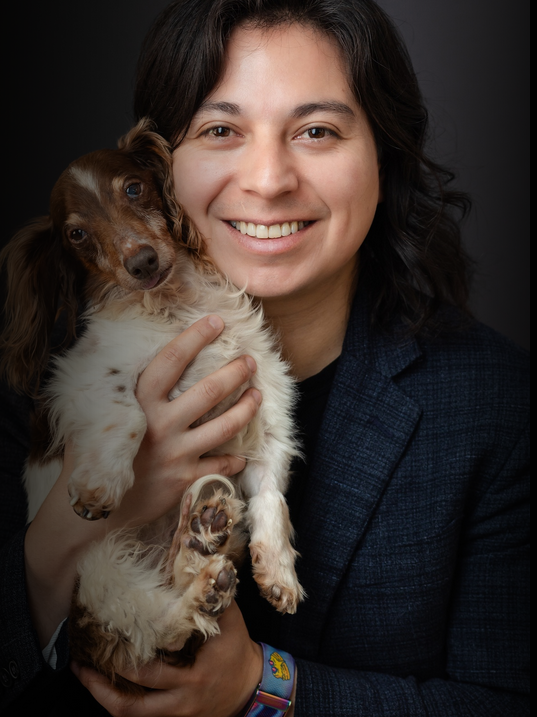
“Cognitive technology is becoming the foundational layer in consumer wearables,” said Dr. Ramses Alcaide, chief executive officer of Neurable. “As this shift takes hold, our platform allows partners to move from concept to full-scale integration and deliver products that can understand and adapt to users in real time across industries.”
The company said it has already partnered with several organizations, including HP Inc.’s HyperX, MeSpace, iMotions, and the U.S. Air Force Research Laboratory, to integrate its technology into real-world applications.
Neurable also announced a series of leadership changes as it prepares for expansion. Co-founder Adam Molnar has been named chief operating officer, while Reid Van Gorder joins as chief financial officer. James Flynn has been appointed vice president of product, and Eugene Goldberg joins as vice president of business development.
In addition, Paul Leggett of Mithril Capital and Dr. Luis Sentis, a robotics expert and academic, have joined the company’s board, bringing experience in venture capital, artificial intelligence, and advanced hardware systems.
The company said the broader brain-computer interface market is expected to grow significantly over the next decade, and the new model is intended to help close gaps between research, development, and large-scale deployment of the technology.