

North Brunswick, NJ — LinusBio announced the launch of Traced, a direct-to-consumer wellness test that measures environmental exposure to essential, non-essential and toxic elements using a single strand of hair.
The company said the test tracks exposure to 15 elements over approximately 30 days and is available to consumers across the United States, except New York.
Developed from research at Mount Sinai and built on LinusBio’s proprietary platform, Traced measures essential nutrients such as zinc, calcium and magnesium, along with toxic elements including lead, arsenic, cadmium and aluminum.
Unlike blood or urine tests that provide a single point-in-time measurement, Traced is designed to show changes in exposure over about 30 days, allowing consumers to compare exposure patterns with their daily routines, travel and environment.
Each report includes information on common sources of the measured elements, using publicly available references from organizations including the U.S. Centers for Disease Control and Prevention and the U.S. Environmental Protection Agency to help consumers make informed lifestyle decisions.
“You can’t change your genes, but you can change your environment,” said Dr. Manish Arora, Founder and CEO of LinusBio.
“We’re surrounded by environmental exposures, yet most of us measure almost none of them. We track the temperature on a thermostat and smoke with a fire alarm, but what about everything else? For most people, the annual physical looks at a very limited blood panel and does not consider exposure to surprisingly common toxins such as lead and arsenic. Traced reads a single strand of hair to give people a molecular movie of their exposure over time, no clinic visit, no needles, no blood draw. Everyone deserves to understand their environment, because that’s something you can take charge of.”
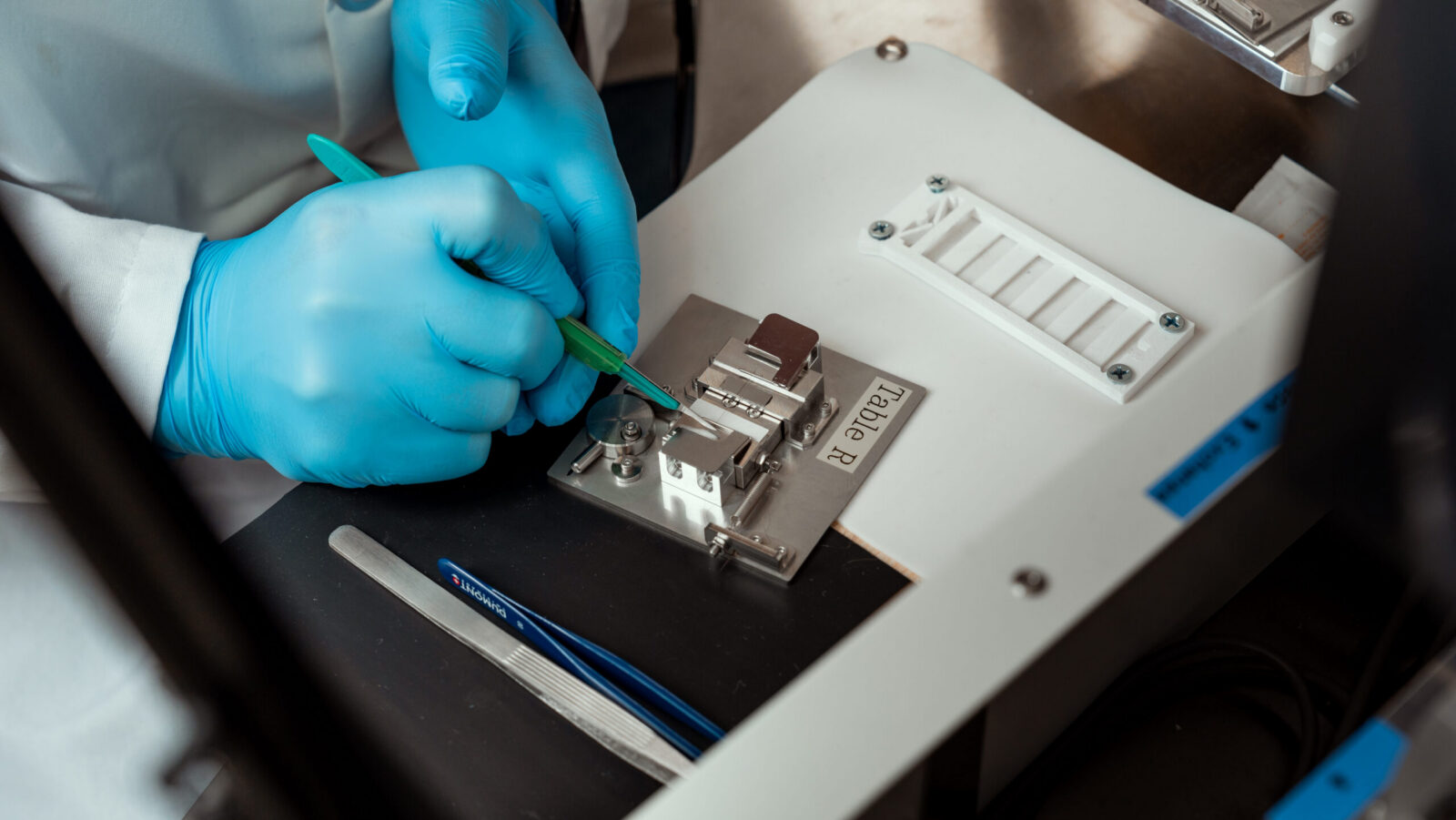
LinusBio said Traced combines robotics, laser ablation and mass spectrometry to identify exposure patterns over time. Results are measured against the company’s proprietary global reference database.
The company said the test is intended to provide information about environmental exposure and is not designed to diagnose health conditions.
LinusBio also highlighted the use of Traced by residents affected by the Eaton and Palisades wildfires in California. According to the company, some residents used the test to monitor elemental exposure after returning to homes affected by smoke, heat and fire residue.
“Large-scale urban wildfires are a relatively new phenomenon, and the residential damage is not familiar to most people,” said Elissa Ashwood, fire survivor and community leader of Palisades Standing Homes. “When the smoke cleared, the damage wasn’t only what we could see. This made restoration and moving back in high-stakes decisions for families. Data from Traced has helped residents see patterns in exposure reported from their hair samples and has provided important information as they evaluate environmental concerns following the fires.”
“Prolonged exposure to certain elements is associated with a host of overlapping health conditions,” said Arora. “Our goal is to give consumers access to a clearer picture of exposure risk so they can take action to make informed decisions about their environment and lifestyle.”