

HOUSTON — Motif Neurotech has received approval from the U.S. Food and Drug Administration to begin its first clinical trial of a brain-computer interface designed to treat patients with treatment-resistant depression.
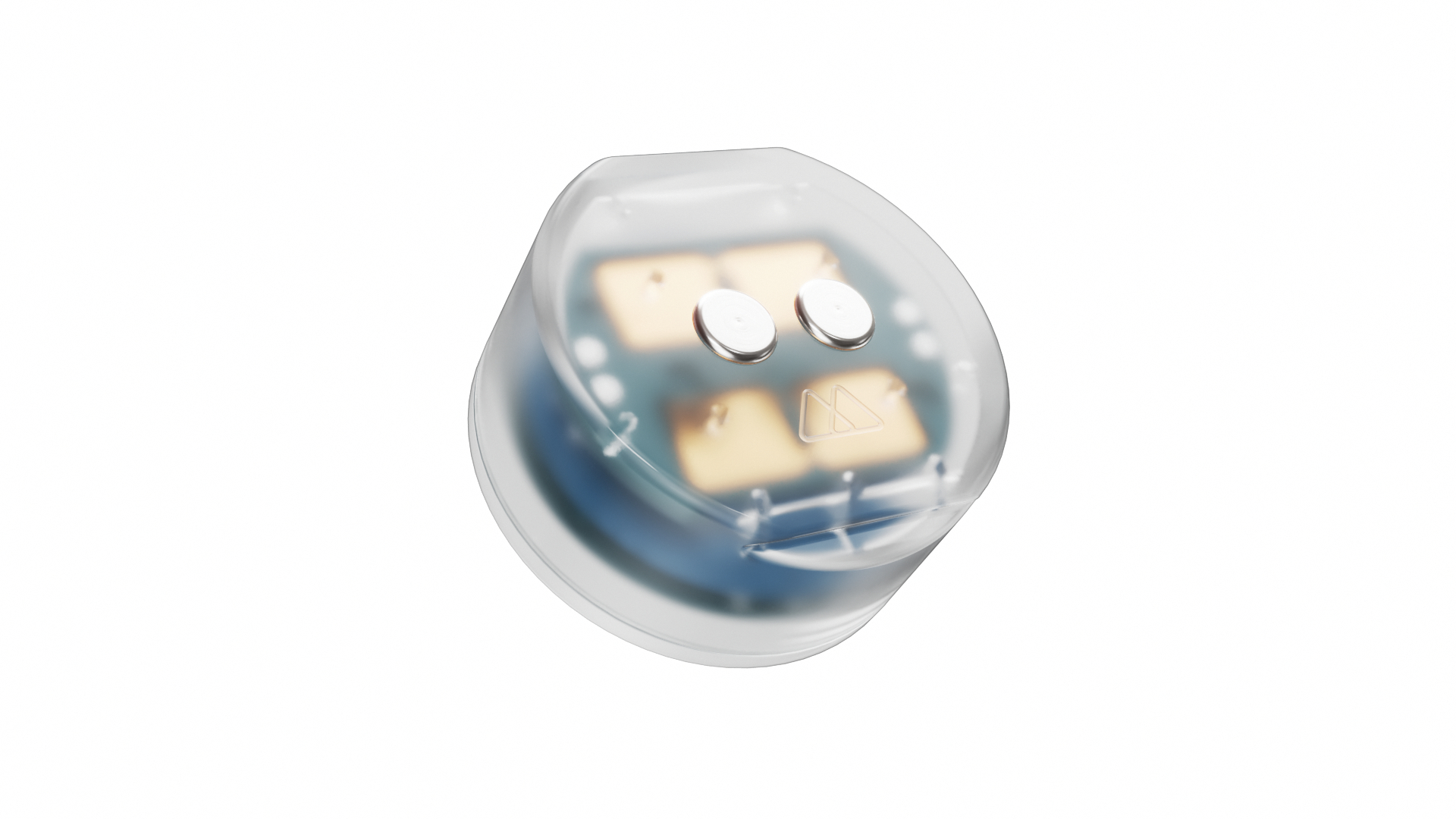
The FDA granted an Investigational Device Exemption, allowing the company to launch its RESONATE early feasibility study, which will evaluate the safety and viability of Motif’s XCS System, a small, wirelessly powered implant that delivers electrical stimulation to brain regions linked to depression.
The study will focus on adults who have not responded to at least two medications, a population estimated to include nearly 3 million Americans.
“We founded Motif to build neural devices that give everyone suffering from a mental health condition the opportunity at a better life. I am incredibly proud of our team, and grateful for this opportunity to advance our mission,” said Jacob Robinson, Co-founder and Chief Executive Officer of Motif Neurotech.
The RESONATE trial will be conducted across up to eight medical institutions, including Baylor College of Medicine, Massachusetts General Brigham, Emory Healthcare, UT Health Houston, the University of Iowa, the University of Utah Health, New York University, and Brain Health Consultants in Houston.
Central to the study is Motif’s implant, known as the DOT, which is roughly the size of a blueberry and sits in the skull above a brain region commonly targeted for depression treatment. The device is wirelessly powered and designed to be implanted during a 20-minute outpatient procedure, avoiding direct contact with brain tissue.
“Treatment-resistant depression is one of the leading causes of disability and suicide in the U.S. and worldwide. Individuals with this condition have often tried a long list of medications and therapies and are still suffering. The RESONATE study gives us the opportunity to offer something genuinely new to people who have run out of options,” said Sameer Sheth, M.D., Ph.D., Professor of Neurosurgery at Baylor College of Medicine and Principal Investigator for the study.
Researchers will primarily assess safety over a 12-month period following implantation, while also tracking changes in depression symptoms, quality of life, anxiety, and cognitive function.
“With XCS therapy, we seek to achieve an optimal balance of effectiveness and non-invasiveness,” said Sunil Sheth, M.D., Associate Professor of Neurology at UTHealth Houston. “The device’s ability to stimulate and address dysfunctional brain circuits while avoiding direct contact with the brain will hopefully lead to safe and durable symptom improvement, in a form factor that patients find acceptable.”
Motif said the FDA approval marks a key milestone for the company, which was founded just four years ago and has moved quickly from early development to clinical testing.
“IDE approval is a critical milestone that allows us to move from development into the clinic, and we are proud to have earned it,” said Nick Halper, Chief Operating Officer of Motif Neurotech. “The patients who will participate in RESONATE have exhausted existing treatment options and are putting their trust in us.”
The technology builds on more than a decade of research at Rice University, supported by agencies including DARPA, ARPA-H, and the National Institutes of Health’s BRAIN Initiative, which demonstrated the ability to stimulate the brain without direct contact.