

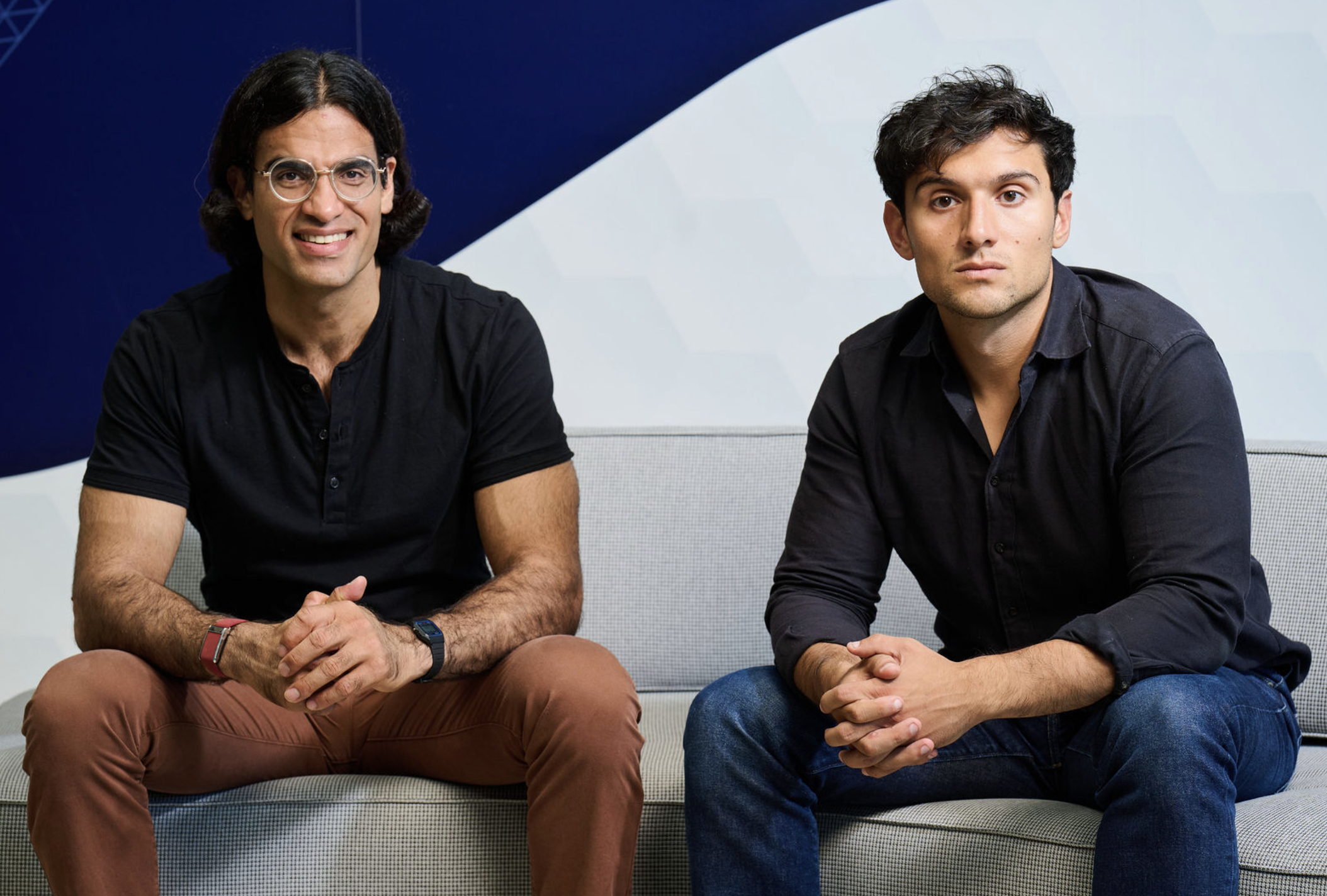
PALO ALTO, Calif. — Network Bio, a biotechnology company developing disease-specific artificial intelligence models from human biological data, has launched with $50 million in financing.
Investors include Section 32, Thiel Bio, Founders Fund, Breyer Capital, Blue Venture Fund, JSL Health Capital and other life sciences and AI investors.
The funding will support expansion of Network Bio’s platform, which develops AI models trained on large-scale tissue, blood, molecular and clinical datasets. The company said it is building the datasets through a network of academic biobanks.
Network Bio is collaborating with academic medical centers including Mass General Brigham, the University of Pennsylvania and the University of Colorado Anschutz to create standardized, AI-ready datasets combining patient tissue and blood samples with longitudinal clinical outcomes.
The company said common sample-quality standards, selection criteria and data harmonization across institutions allow it to generate datasets at a scale that would be difficult for a single biobank to achieve.
“Every patient leaves a barcode of their disease in their tissue, and until now no one has been able to read those barcodes at scale,” said Asad Ali Ahmad, Ph.D., CEO and Co-Founder of Network Bio. “Working with the biobanks of some of the country’s leading academic medical centers, we built the network that makes reading them possible.”
Network Bio said its platform combines a biological research network with AI architecture designed specifically for multimodal biological data. The system is intended to identify disease patterns that can transfer across different diseases, tissues and data types.
The company has reported research involving respiratory disease, as well as studies in ovarian and bone disease. It said its approach is designed to generate interpretable representations of disease biology and support biomedical research and clinical applications.
Network Bio has also signed a strategic collaboration valued at more than $30 million with an unnamed Fortune 100 healthcare company to co-develop next-generation AI models and identify novel disease signatures.
“Medicine is approaching an inflection point where AI can fundamentally change how biomedical discovery is done,” said Mike Pellini, M.D., Managing Partner at Section 32 and Chairman of Network Bio’s Board of Directors.
“What differentiates Network Bio is the combination of the network of academic medical center biobanks with an AI architecture built for medicine,” Pellini said.
Network Bio said its platform spans several disease areas with unmet medical needs, including immunology, metabolic disease, cardiovascular disease and autoimmune disorders.