

BOSTON–VectorY Therapeutics, a clinical-stage biotechnology company developing antibody-based treatments for neurodegenerative diseases, has raised €74.5 million ($83.5 million) in new financing to advance its clinical and preclinical pipeline, including experimental therapies for amyotrophic lateral sclerosis (ALS) and Huntington’s disease.
The financing attracted new investors Angelini Ventures, Invest-NL, and the European Investment Bank (EIB), along with continued participation from existing investors Forbion, EQT Life Sciences, MRL Ventures, Insight Partners, BioGeneration Ventures, Eli Lilly and Company, and the ALS Investment Fund.
The company plans to use the proceeds primarily to advance its lead drug candidate, VTx-002, through upcoming clinical milestones, including the final results from its Phase 1/2 PIONEER-ALS trial.
The international study is evaluating VTx-002 in adults with ALS, a progressive neurodegenerative disease that affects nerve cells responsible for voluntary muscle movement.
In September 2026, VectorY expanded the PIONEER-ALS trial from 12 to 36 participants, allowing researchers to evaluate the investigational treatment in a larger patient population.
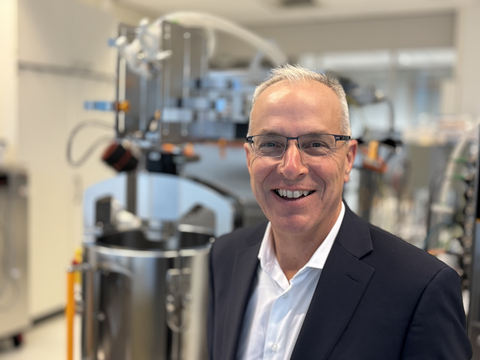
“Neurodegenerative diseases represent some of the most complex challenges in medicine, and patients and families urgently need new treatment options. This financing reflects strong confidence in our team, our platform and the potential of our pipeline,” said Jim Scibetta, Chief Executive Officer of VectorY Therapeutics. “It will support the advancement of VTx-002 through important clinical milestones, including the final readout of PIONEER-ALS, while enabling us to leverage our vectorized antibody platform to expand its application in multiple neurodegenerative diseases across our pipeline. We are grateful for the continued support of our existing investors and welcome our new partners as we work to advance care for patients.”
VTx-002 is designed to target abnormal accumulations of TDP-43, a protein associated with the development and progression of ALS. According to the company, abnormal TDP-43 aggregation occurs in as many as 97% of ALS patients.
The experimental treatment uses a vector-based delivery system intended to produce sustained antibody expression within the central nervous system. Researchers hope the approach could address biological mechanisms underlying ALS and potentially alter the course of the disease.
VTx-002 remains investigational and has not received regulatory approval.
The PIONEER-ALS trial is a global, multicenter, open-label, dose-escalation study evaluating two dose levels of VTx-002 at clinical sites in the United States, Europe, and the United Kingdom.
Its primary objectives include assessing the treatment’s safety, tolerability, pharmacokinetics, and preliminary effectiveness.
Researchers are also examining biomarkers associated with neurodegeneration, including neurofilament light chain and TDP-43-related biological activity, as well as clinical measures of muscle strength, respiratory function, disease progression, and survival.
Beyond its ALS program, VectorY intends to use the financing to advance VTx-003, an investigational treatment for Huntington’s disease, and additional candidates targeting other neurodegenerative conditions.
“We believe VectorY is building a compelling approach to one of the most challenging areas of medicine. Its progress with VTx-002, including the expansion of the PIONEER-ALS study, is an important step in evaluating the program’s potential. This financing will help the company advance that work while developing additional programs, including VTx-003 for Huntington’s disease. We are pleased to continue supporting VectorY as it translates its platform into potential pioneering treatment options for people living with neurodegenerative diseases,” said Wouter Joustra, General Partner at Forbion.
VectorY specializes in vectorized antibody technology, which combines gene delivery systems with antibody-based therapies to support sustained production of therapeutic antibodies in targeted tissues.
The company is developing the platform as a potential approach to treating neurological diseases that have proven difficult to address with conventional medicines.
The latest financing will support the company’s ongoing clinical development activities and expansion of its experimental treatment pipeline.