


AUSTIN, Texas — Paradromics has announced a strategic collaboration with Siemens Healthineers to develop an advanced medical imaging platform designed to improve the precision and effectiveness of implantable brain-computer interfaces (BCIs).
The partnership will combine Siemens Healthineers’ medical imaging technology with Paradromics’ expertise in brain-computer interfaces to develop an integrated system supporting patient assessment, surgical planning, device implantation and long-term treatment evaluation.
Brain-computer interfaces are emerging as a potential treatment for people who have lost the ability to communicate or control movement due to neurological injuries or diseases. These devices connect directly with the brain to interpret neural signals and translate them into commands for communication or computer control.
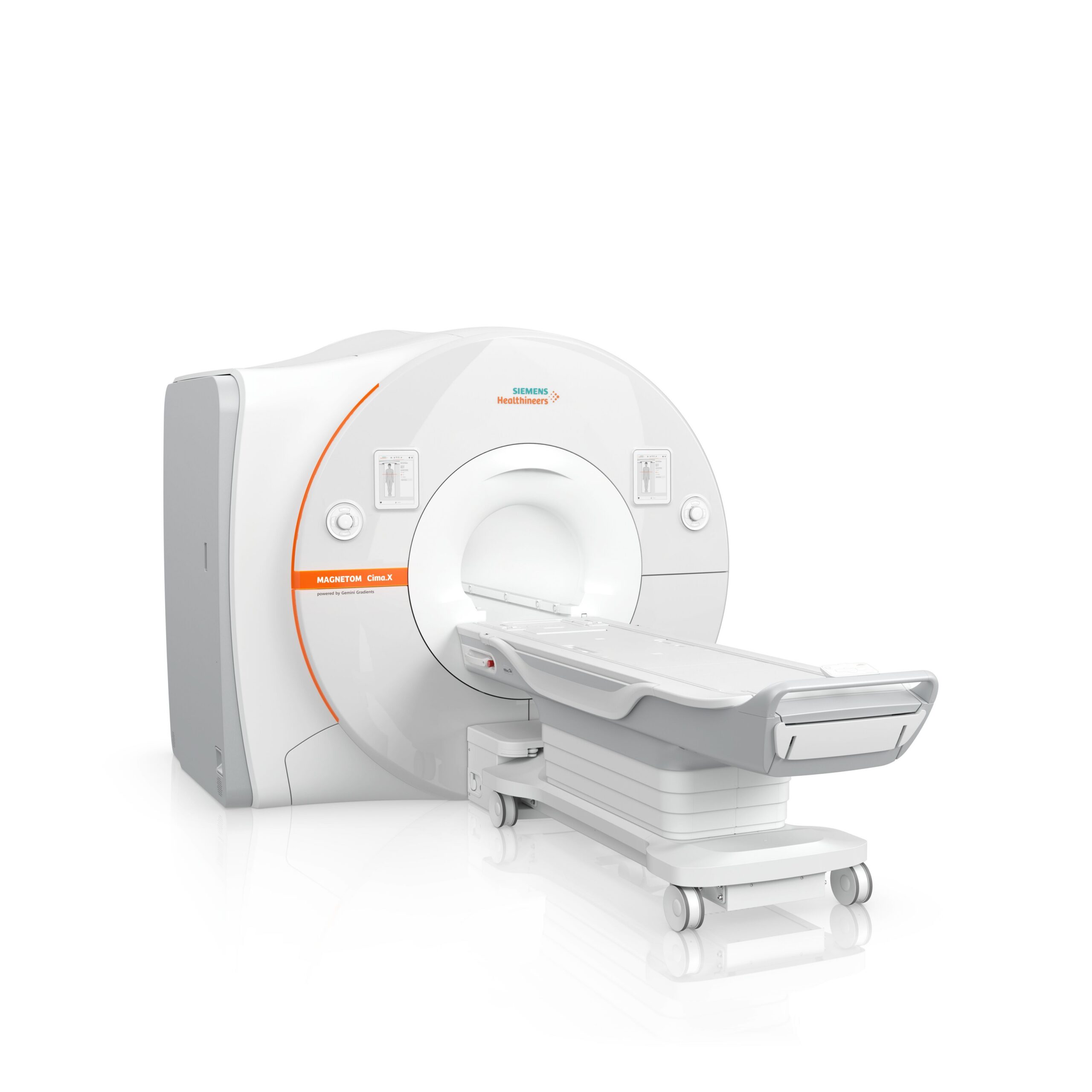
The companies aim to develop an imaging workflow that uses structural and functional MRI, vascular imaging and CT scans to identify specific brain regions, guide surgical procedures and evaluate the placement of implanted devices.
“Building the best hardware is only part of the story. BCI performance begins before an implant ever reaches the brain,” said Matt Angle, PhD, founder and CEO of Paradromics.
“The ability to understand each patient’s individual anatomy and functional organization can help us identify the right neural target and place our technology with greater accuracy. Working with Siemens Healthineers will help us streamline this process prior to surgery, so that patients get the best possible outcome,” Angle added.
The collaboration will build on existing imaging protocols used by Paradromics with Siemens Healthineers equipment, with plans to incorporate automated image processing, surgical navigation and clinical decision support.
Researchers will also compare preoperative imaging findings with neural activity recorded directly from Paradromics’ implanted devices. The approach could help determine how accurately imaging identifies brain regions involved in speech and movement, potentially improving future implantation procedures.
The development effort will involve clinical research investigators, including Daniel B. Rubin, MD, PhD, of the Mass General Brigham Neuroscience Institute’s Center for Neurotechnology and Neurorecovery.
“At Siemens Healthineers, we are focused on pioneering breakthroughs in healthcare by transforming imaging into increasingly precise, actionable information for clinicians,” said Donald Hardie, head of Magnetic Resonance at Siemens Healthineers.
“Brain-computer interfaces represent an important new frontier for neuroscience. Working with Paradromics gives us the opportunity to explore how advanced multimodal imaging, automation and clinical decision support can help make these procedures more precise, repeatable and ultimately more accessible across leading medical centers,” Hardie added.
William J. Marks Jr., MD, chief clinical officer of Paradromics, said the company intends to integrate its Connexus BCI platform into existing hospital infrastructure rather than requiring medical centers to purchase specialized equipment.
The initial focus will be on restoring speech and communication capabilities, building on Paradromics’ ongoing clinical research. The companies also plan to explore applications involving hand movement and language restoration following stroke.
The imaging techniques developed through the collaboration could eventually support additional neurological applications, including vision, hearing, cognitive mapping and broader neurosurgical planning.