

WALTHAM, Mass. — BostonGene has announced a research collaboration with the Medical University of South Carolina (MUSC) to use artificial intelligence and advanced immune system profiling to better understand treatment response, resistance and toxicity in patients receiving CAR-T cell therapy for blood cancers.
The collaboration will use BostonGene’s AI platform to analyze changes in patients’ immune systems and identify biomarkers associated with treatment effectiveness, long-term remission and adverse events.
The research is part of an ongoing Phase Ib clinical trial evaluating a metabolically programmed and purified CAR-T cell therapy for patients with relapsed or refractory CD19 B-cell non-Hodgkin lymphoma. The experimental treatment is designed to improve T-cell fitness, persistence and safety.
BostonGene will analyze blood samples collected throughout treatment using multi-color flow cytometry and RNA sequencing. Researchers will combine these findings with AI models to better understand immune responses and identify factors associated with treatment success or resistance.
Preliminary findings presented at the 2026 American Society of Clinical Oncology (ASCO) annual meeting showed a 67% complete remission rate and a favorable safety profile. Researchers reported no cases of immune effector cell-associated neurotoxicity syndrome or grade 3 or higher cytokine release syndrome. Two patients required a single low dose of corticosteroids to manage low-grade cytokine release syndrome.
Additional analyses linked positive treatment responses to CD8 effector memory cells, while disease progression was associated with baseline T-cell exhaustion.
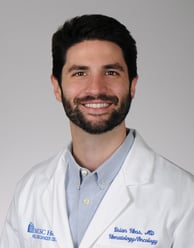
“Improving CAR-T cell fitness and purifying the cellular product represent critical steps toward making these life-saving therapies safer and more durable,” said Brian Hess, MD, principal investigator at MUSC’s Hollings Cancer Center. “Collaborating with BostonGene gives us unprecedented, high-resolution clarity into the systemic immune shifts occurring in our patients, helping us validate our metabolic programming approach and identify why certain patients achieve long-term remission.”
Nathan Fowler, MD, chief medical officer at BostonGene, said the collaboration could help researchers better predict treatment outcomes and complications.
“Understanding the intricate dynamics of the immune system during CAR-T therapy is paramount to overcoming therapeutic resistance and predicting adverse events,” Fowler said. “By applying our biologically grounded AI and multimodal immune system modeling capabilities to this innovative cellular therapy, we aim to identify predictive biomarkers and biological mechanisms that can improve patient selection, anticipate toxicity, and ultimately improve outcomes for patients battling aggressive blood cancers.”
