

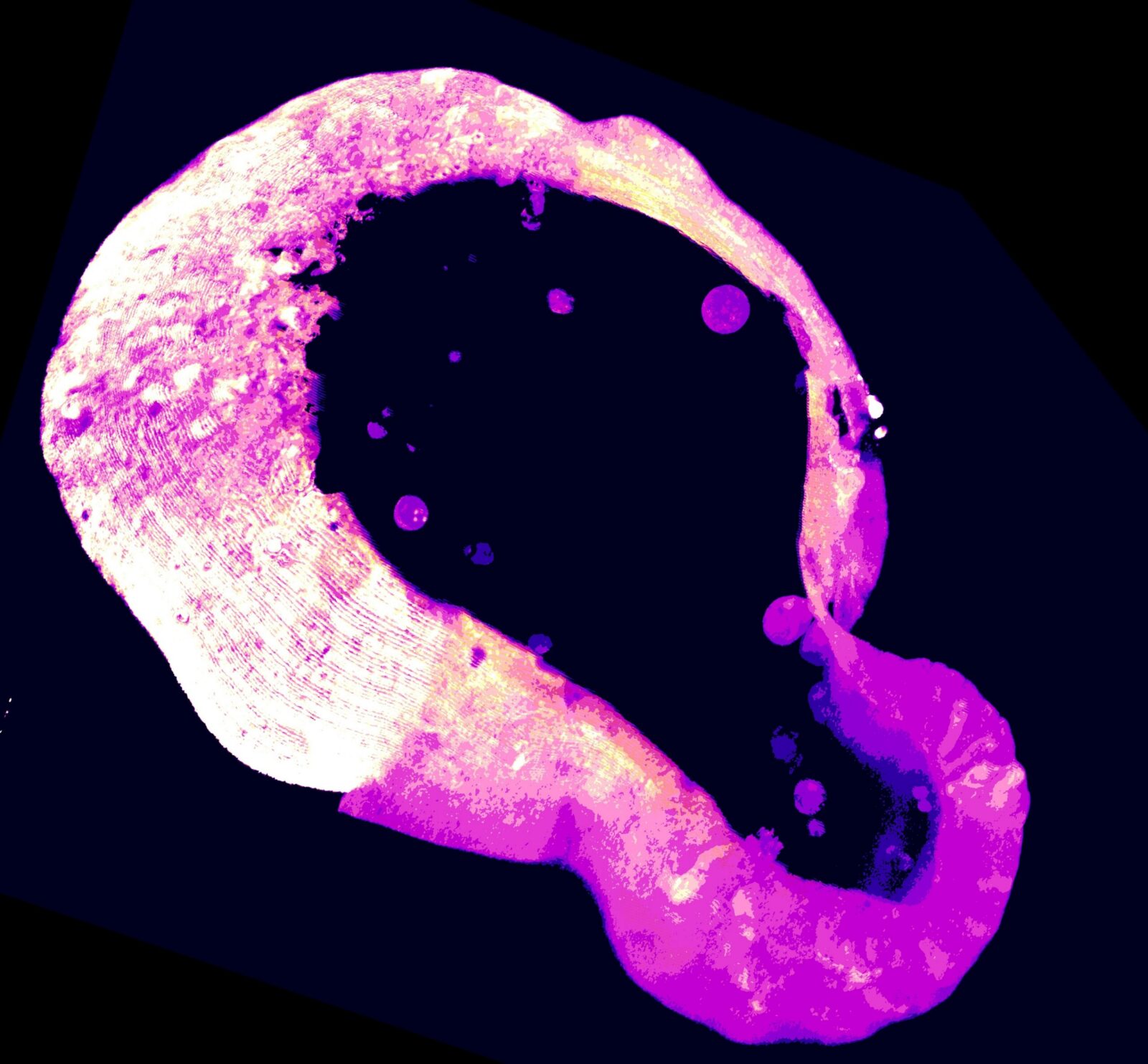
CAMBRIDGE, Mass. — Researchers at the Whitehead Institute have discovered that small molecules called polyamines help protect cells from toxic iron buildup, a finding that could have implications for cancer treatment and neurodegenerative diseases such as early-onset Parkinson’s disease.
The research, led by Whitehead Institute Member Ankur Jain and published in the journal Cell, found that polyamines can bind and store iron in a non-reactive state, preventing the metal from damaging DNA, proteins and cell membranes.
Iron is essential for cellular functions including energy production and oxygen transport, but excess chemically reactive iron can trigger destructive reactions inside cells.
The researchers said the discovery could help explain why cells maintain unusually high concentrations of polyamines, which are already known to play roles in cell growth and RNA structure.
“We’ve known that without polyamines, cells stop growing and dividing,” said Jain, who is also an Associate Professor of Biology at the Massachusetts Institute of Technology. “But their best-known function only requires a small fraction of the polyamine levels cells actually have.”
Jain and graduate student Pushkal Sharma initially studied polyamines because of their ability to bind RNA. To investigate other potential functions, the team used a genome-wide genetic screening approach to determine which cellular processes were affected when polyamine levels changed.
The researchers found that cells with reduced polyamine levels became highly dependent on GPX4, a protein that protects cell membranes from damaging chemical reactions. Cells with lower polyamine concentrations also produced more of a protein that stores iron in a mineralized, less reactive form.
Those findings led the team to investigate whether polyamines themselves help keep iron chemically inactive.
Researchers developed a fluorescent sensor capable of measuring reactive iron in living cells and paired it with another sensor designed to track polyamine levels. They found that as polyamine levels declined, reactive iron increased.
The findings could provide a potential new strategy for cancer treatment. Cancer cells often maintain high polyamine levels to support rapid growth, but drugs designed solely to reduce polyamines have shown limited effectiveness.
“We saw that when polyamine levels fall, cells rely on GPX4 to protect themselves from iron toxicity,” Sharma, the study’s first author, said. “This could mean that combining drugs that lower polyamine levels with those that block GPX4 might be more effective for killing cancer cells than targeting either pathway alone.”
The discovery could also shed light on some forms of Parkinson’s disease. Mutations affecting genes involved in transporting polyamines have been associated with rare early-onset Parkinson’s disease, while elevated iron levels have long been observed in the brains of Parkinson’s patients.
Researchers cautioned that it remains unclear whether excess iron directly causes neuron death in Parkinson’s disease, but said the newly identified role of polyamines in buffering reactive iron provides a possible biological connection that warrants further investigation.
The team said its new fluorescent iron sensor could also help researchers study the role of reactive iron in aging, cancer and neurodegenerative disease.
“There are a lot of promising future directions for this work,” Jain said. “It’s exciting to think about how these tools and findings could help answer further questions about disease pathways and potentially help design better therapies.”