

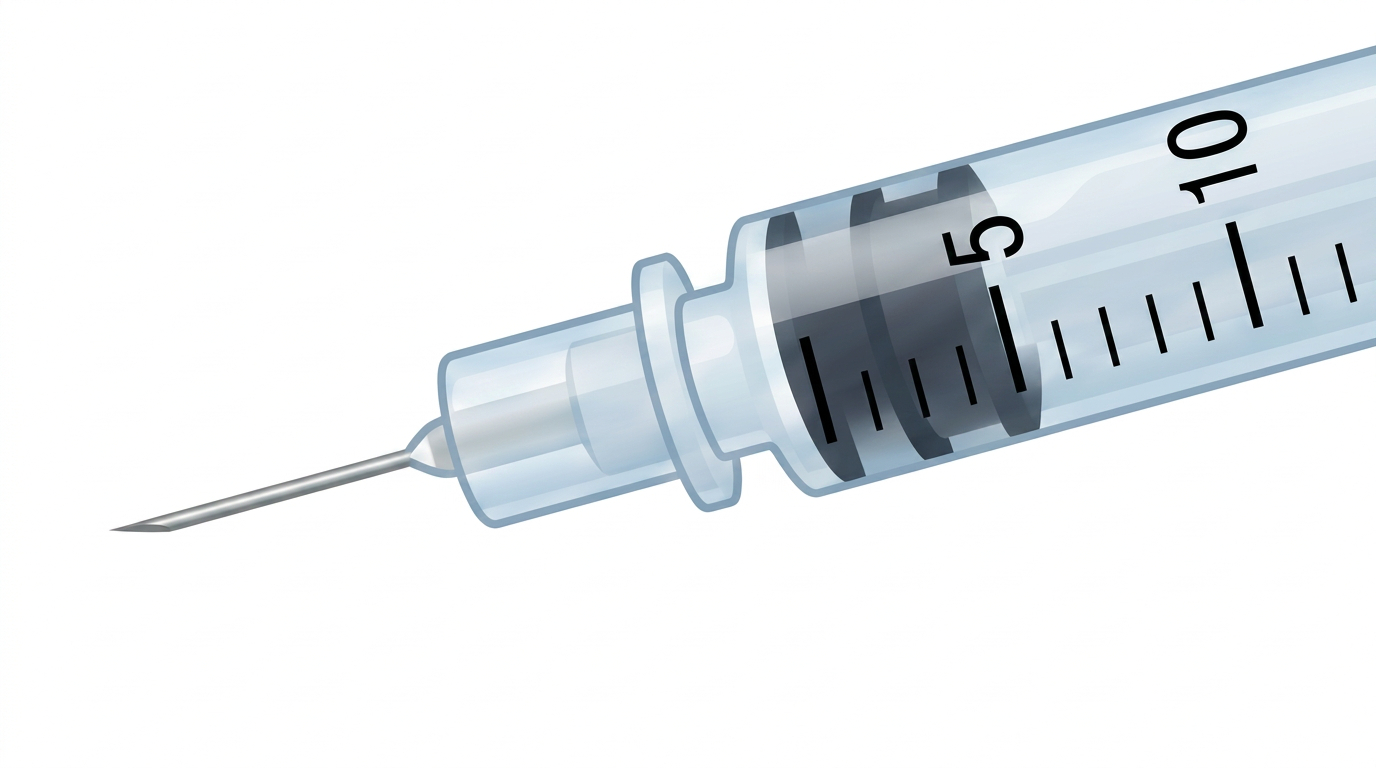
TOKYO — Nippon Kinzoku Co., Ltd. has begun mass production of ultra-thin, narrow-width stainless steel designed for use in laser-welded insulin needles, as demand rises for finer needles used in diabetes and weight-management treatments.
The company said it has established a stable supply system for the material, which is intended for manufacturing ultra-fine needles that can help reduce pain and bruising during injections.
Nippon Kinzoku supplies NK-304NKM, a specialized stainless steel used in thin-walled welded tubes for medical and cosmetic applications. The company said the material provides stable weldability and drawability needed for producing very fine needles.
Traditional insulin needle production typically uses base materials about 0.2 millimeters thick that are formed into tubes using TIG or plasma welding, followed by repeated drawing and heat treatment.
Manufacturers have increasingly shifted toward laser welding, which allows higher production speeds and the use of substantially thinner starting materials. Nippon Kinzoku said laser-welded needles can use base materials as thin as about 0.08 millimeters.
The company said it conducted extensive trials with manufacturers to develop a mass-production process capable of supplying thin-walled, narrow-width stainless steel that meets requirements for high-speed laser welding.
Nippon Kinzoku said one of the material’s key features is precise edge quality, including control of the shear surface ratio to help reduce welding defects.
The company also said the material maintains consistent weldability across coils as long as 4,000 meters, supporting high-volume manufacturing.
Its production process also provides tight thickness and width tolerances required for high-speed laser welding, according to Nippon Kinzoku.
The stainless steel is designed to maintain ductility and weld-zone integrity during subsequent processing, allowing manufacturers to draw the material into ultra-fine needles without fracturing.
Nippon Kinzoku said demand for ultra-fine needles is increasing as the global prevalence of diabetes grows and as injectable weight-management medications become more widely used.