

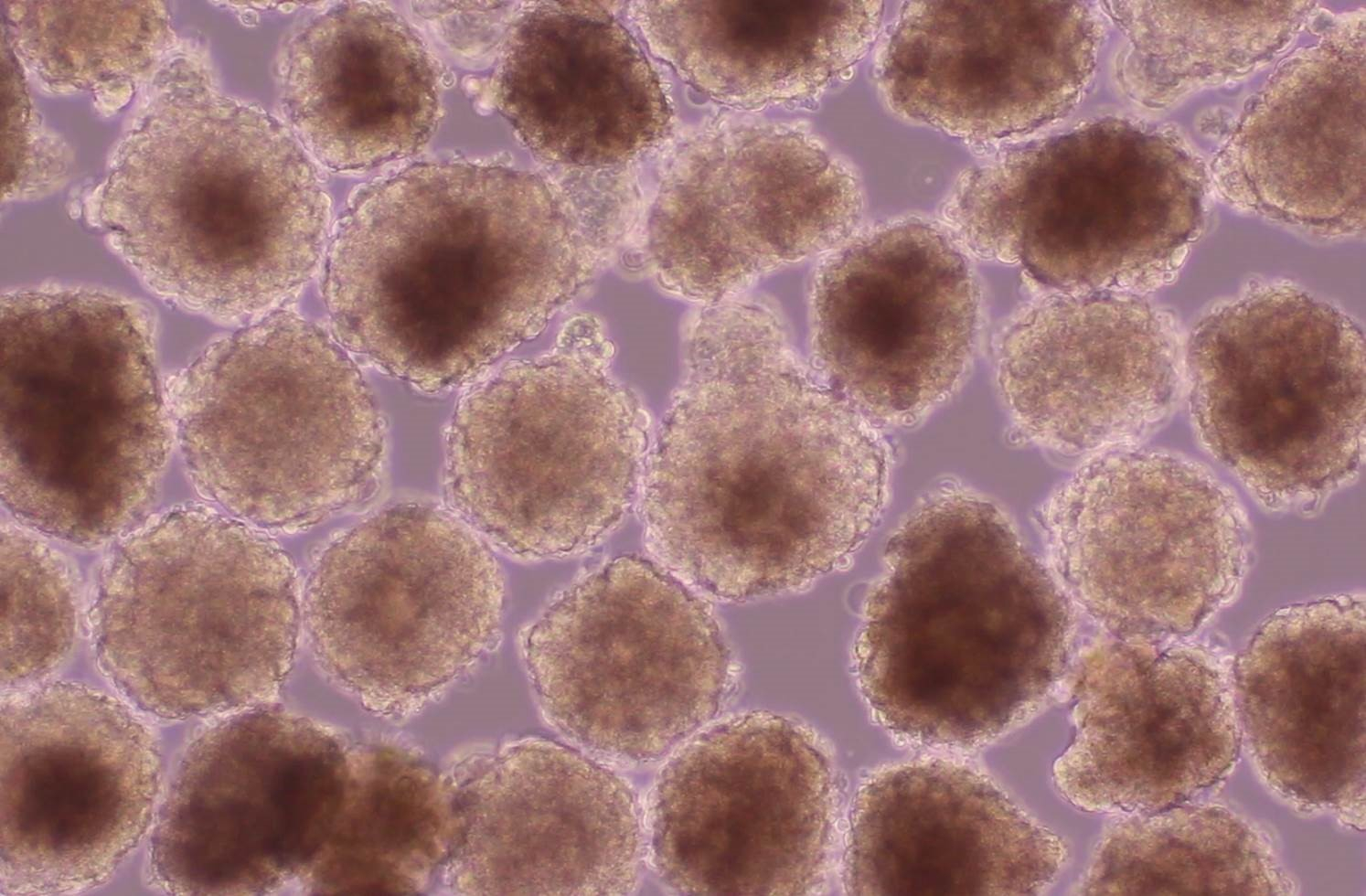
Tokyo — Heartseed Inc., a Tokyo-based biotechnology company, said it has successfully dosed the first patient in its domestic Phase I/II EMERALD study of HS-005, an allogeneic iPS cell-derived cardiomyocyte spheroid therapy administered by catheter for severe heart failure caused by ischemic heart disease or dilated cardiomyopathy.
The company said the study is the world’s first clinical trial to administer iPS cell-derived cardiomyocyte spheroids using a catheter.
The first patient, who has dilated cardiomyopathy, was treated at Shinshu University Hospital in late March 2026. Heartseed said the patient’s postoperative course has been generally uneventful and that the patient has already been discharged.
The independent Safety Monitoring Committee reviewed the four-week data and approved continuation of the study in the dilated cardiomyopathy cohort, the company said.
“Catheter administration enables the minimally invasive delivery of cardiomyocytes”, said Keiichi Fukuda, CEO of Heartseed. “The inclusion of patients with dilated cardiomyopathy as a new target is a highly significant milestone in our goal to save more patients with severe heart failure.”
Heartseed said HS-005 is designed as a next-generation, minimally invasive cardiac regenerative medicine therapy delivered through an endocardial catheter. The company’s lead pipeline candidate, HS-001, requires open-heart surgery.
The administered cardiomyocytes are expected to engraft into the patient’s myocardium, improving cardiac contractility through remuscularization and promoting neovascularization.
The EMERALD study is designed to treat severe heart failure with reduced ejection fraction caused by ischemic heart disease or dilated cardiomyopathy. The study plans to enroll seven patients in each cohort, for a total of 14 patients, to evaluate the therapy’s safety and efficacy.