

BOSTON — Verastem Oncology has launched a new awareness campaign aimed at healthcare professionals and patients with KRAS-mutated recurrent low-grade serous ovarian cancer, a rare form of ovarian cancer that has historically had limited disease-specific treatment options.
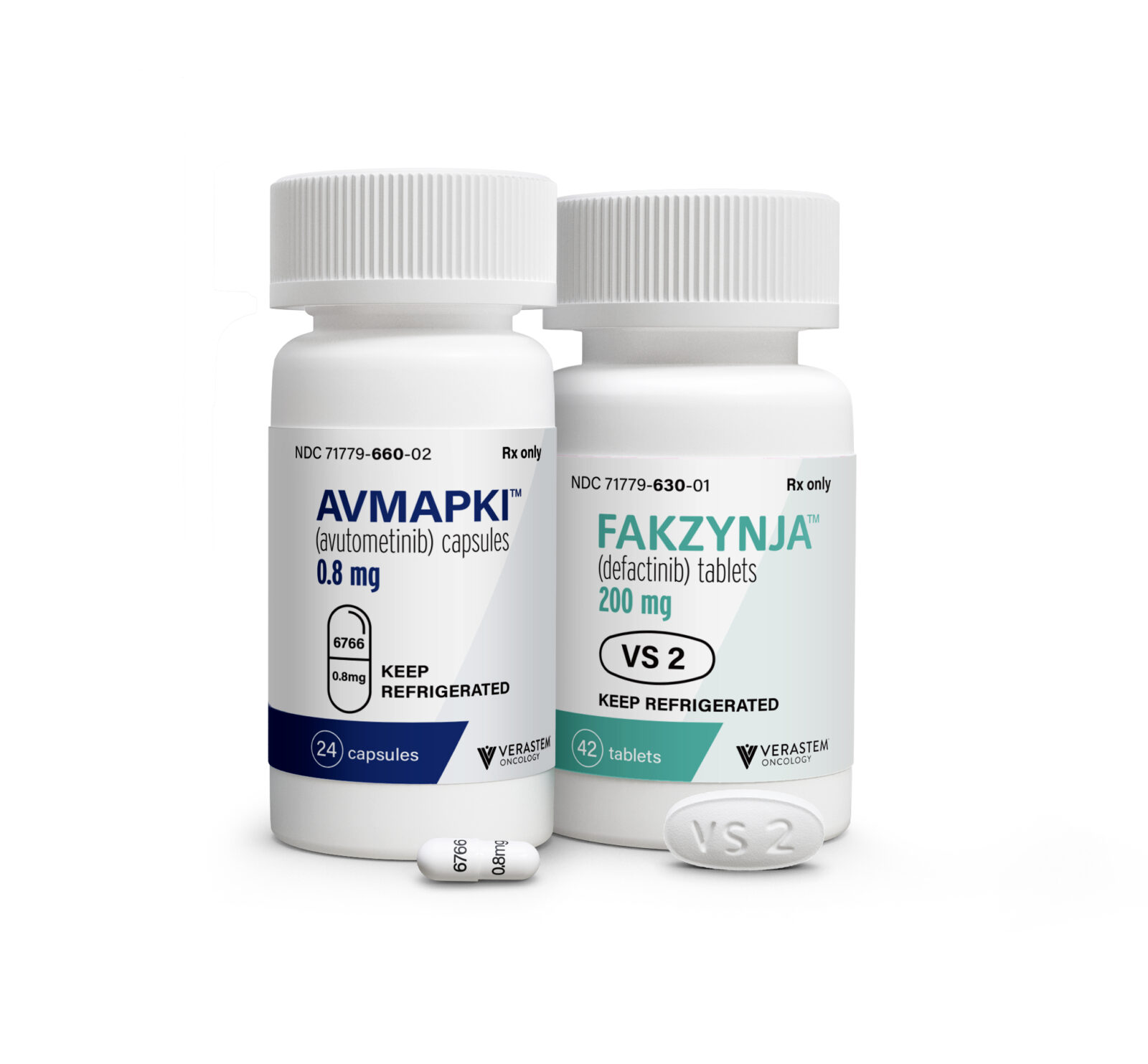
The campaign, called Reimagine Recurrent Low-Grade Serous Ovarian Cancer, focuses on AVMAPKI FAKZYNJA CO-PACK, a combination of avutometinib capsules and defactinib tablets. Verastem said the therapy is the first and only treatment specifically approved by the U.S. Food and Drug Administration for adults with KRAS-mutated recurrent low-grade serous ovarian cancer who have received prior systemic therapy.
Low-grade serous ovarian cancer, or LGSOC, is a rare and distinct form of ovarian cancer with biology and clinical behavior that differ from other ovarian cancers. The disease is primarily driven by the RAS/MAPK pathway, with activating mutations often found in the KRAS gene. Verastem said about 30% of patients with LGSOC have a KRAS mutation, making it the most common gene mutation in the disease.
The company said the campaign is intended to encourage healthcare professionals and patients to reconsider what may be possible at and beyond the earliest recurrence of KRAS-mutated recurrent LGSOC. The effort includes new websites and expanded digital resources for both healthcare professionals and patients.
“The Reimagine Recurrent LGSOC campaign shifts how we think about KRAS-mutated recurrent LGSOC treatment and supporting both patients and healthcare professionals in rethinking what may be possible at and beyond the earliest recurrence,” said Dan Paterson, president and chief executive officer at Verastem Oncology. “The FDA’s accelerated approval of AVMAPKI FAKZYNJA CO-PACK marked an important step forward for patients with KRAS-mutated recurrent LGSOC, underscoring the need for treatments specifically developed for this population. With this campaign, we’re building on that momentum to further inform treatment decisions and support patients throughout their care journey.”
Verastem said the campaign was shaped by feedback from patients and healthcare professionals, with an emphasis on practical, accessible information and emotional support. For clinicians, the company said the campaign encourages re-evaluation of treatment approaches in light of an FDA-approved option for KRAS-mutated recurrent LGSOC. For patients, the campaign is designed to reflect both disease management needs and hopes tied to progress and life milestones.
“Patients with KRAS-mutated recurrent LGSOC have historically had limited resources tailored to their specific experience,” said Linda Stamler, vice president of marketing at Verastem Oncology. “The Reimagine Recurrent LGSOC campaign was developed to help identify and support patients who may be appropriate for treatment with AVMAPKI FAKZYNJA CO-PACK. Through this campaign, we are offering resources such as patient stories, tools to help manage side effects, videos explaining mechanism of action and dosing, and guides to help set treatment expectations so patients and HCPs feel more informed and supported.”
Verastem, a Boston-based biopharmaceutical company, is focused on developing medicines for cancers driven by the RAS/MAPK pathway. The company said the new campaign is part of a broader effort to increase awareness of KRAS-mutated recurrent LGSOC and support treatment discussions between patients and healthcare professionals.