

CHICAGO–The GE HealthCare Foundation has announced its 2026 grant recipients, supporting four organizations working to expand access to maternal and pediatric healthcare in underserved communities across Africa, Asia and South America.
The grants will fund programs focused on clinical training, diagnostic imaging, surgical care and early detection of medical conditions affecting mothers and children. The initiatives are designed to strengthen local healthcare systems and improve access to essential medical services.
Based on projections from the grant recipients, the Foundation estimates that the programs could collectively reach approximately 160,000 patients.
“True access to quality care is determined by measurable patient outcomes and the long-term resilience of local systems,” said John Schaeffler, President of the GE HealthCare Foundation. “By supporting organizations that expand access to diagnostic capabilities and clinical mentorship, the Foundation seeks to help local healthcare teams identify high-risk conditions earlier and make complex procedures safer.”
The 2026 recipients include the Global Surgery Foundation, One Economy Foundation, Worldwide Radiology and Children’s HeartLink.
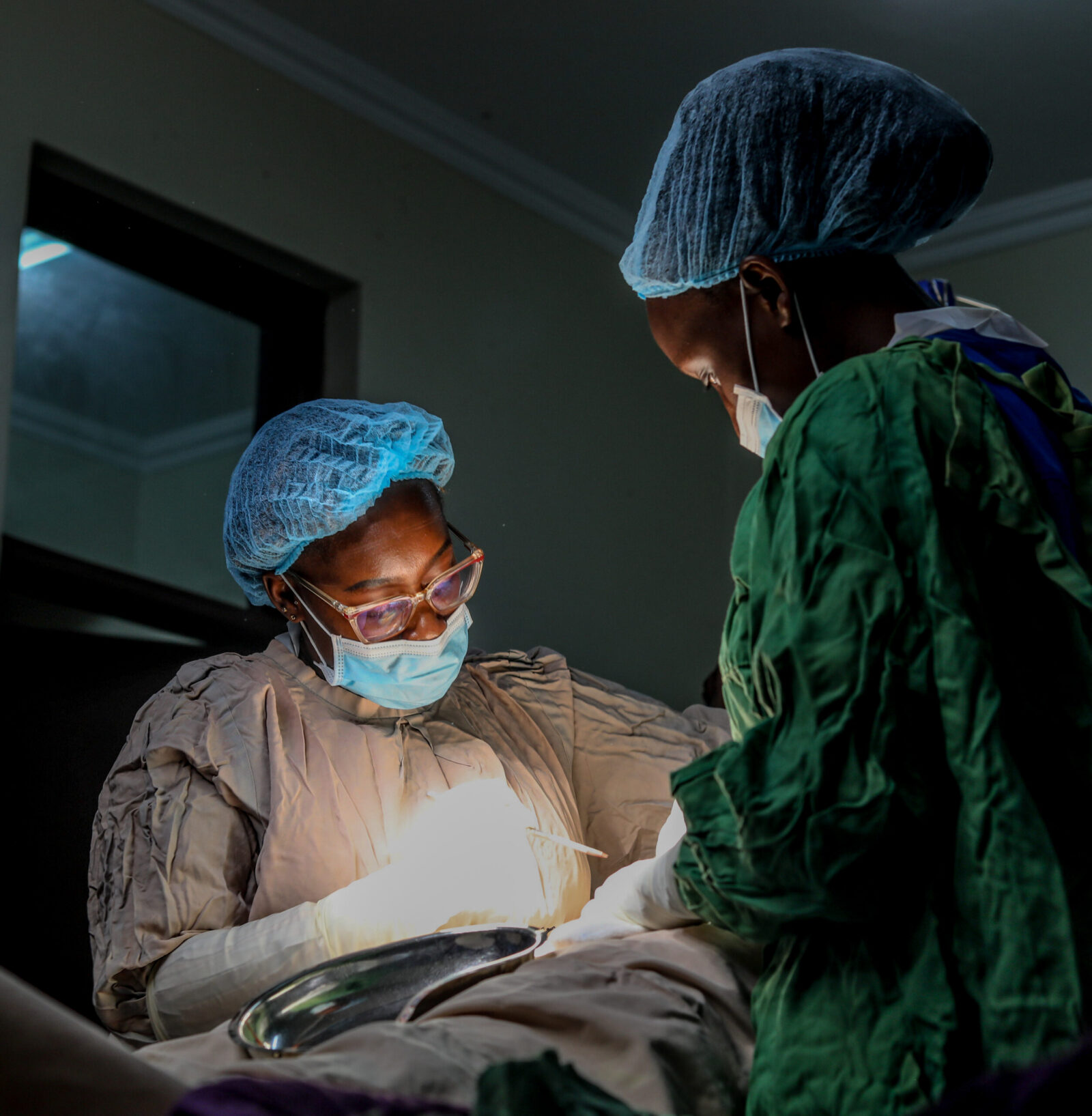
The Global Surgery Foundation will use its funding to support surgical care initiatives in India, Nepal, Tanzania, Rwanda, Nigeria and Kenya. The program is expected to train approximately 920 healthcare workers, including obstetricians, anesthetists and midwives, through simulation-based training designed to improve surgical outcomes and reduce complications associated with cesarean sections.
One Economy Foundation will expand access to prenatal healthcare in Namibia through clinic-based services and mobile outreach programs. The initiative will focus on providing early ultrasound examinations and specialized obstetric and gynecological care, particularly for young and first-time mothers. The program also aims to improve the identification of high-risk pregnancies and strengthen the clinical capabilities of frontline healthcare workers.
Worldwide Radiology will support improvements in maternal diagnostic imaging services in Ghana. The organization plans to certify 48 clinicians in point-of-care ultrasound and increase the number of qualified national trainers to 18, helping establish sustainable diagnostic imaging services in underserved communities.
Children’s HeartLink will focus on improving pediatric cardiac care in Brazil’s Amazon region, where access to specialized treatment remains limited. The program will train 30 referring clinicians and strengthen screening and referral networks to help identify congenital heart disease earlier and connect affected children with appropriate medical care.
The Foundation said the latest grants build on earlier investments in maternal and pediatric healthcare programs that have reported improvements in screening, clinical training and community outreach.
In Indonesia, the implementation of Project ECHO’s Integrated Antenatal Care program in West Java, alongside broader healthcare system improvements, coincided with a decline of approximately 66% in average monthly maternal deaths attributed to preeclampsia and postpartum hemorrhage. The reported figure fell from nearly three deaths per month in 2025 to one per month during the first four months of 2026.
In Kenya, the Lwala Community Alliance trained 121 healthcare providers across 38 facilities to deliver basic ultrasound services. Since early 2025, more than 6,800 pregnant women have received ultrasound examinations at Lwala-supported facilities.
Between April and June 2026, approximately 2,700 pregnant women received ultrasound examinations through the program, nearly seven times the number recorded during the same period in 2025.
The organization’s work also contributed to the development of Kenya’s 2025 national obstetric point-of-care ultrasound curriculum.
In the United States, the Black Mamas Matter Alliance organized Black Maternal Health Week 2026, which included more than 550 community events hosted by Black-led maternal health organizations nationwide.
According to the Foundation, the campaign generated more than 4.1 million content views, reached more than 111 million through media coverage and connected over 2.9 million people with maternal health resources.
The GE HealthCare Foundation said its latest investments are intended to expand access to medical technology and clinical expertise while helping local healthcare organizations build sustainable services.
Financial amounts for the individual 2026 grants were not disclosed.