

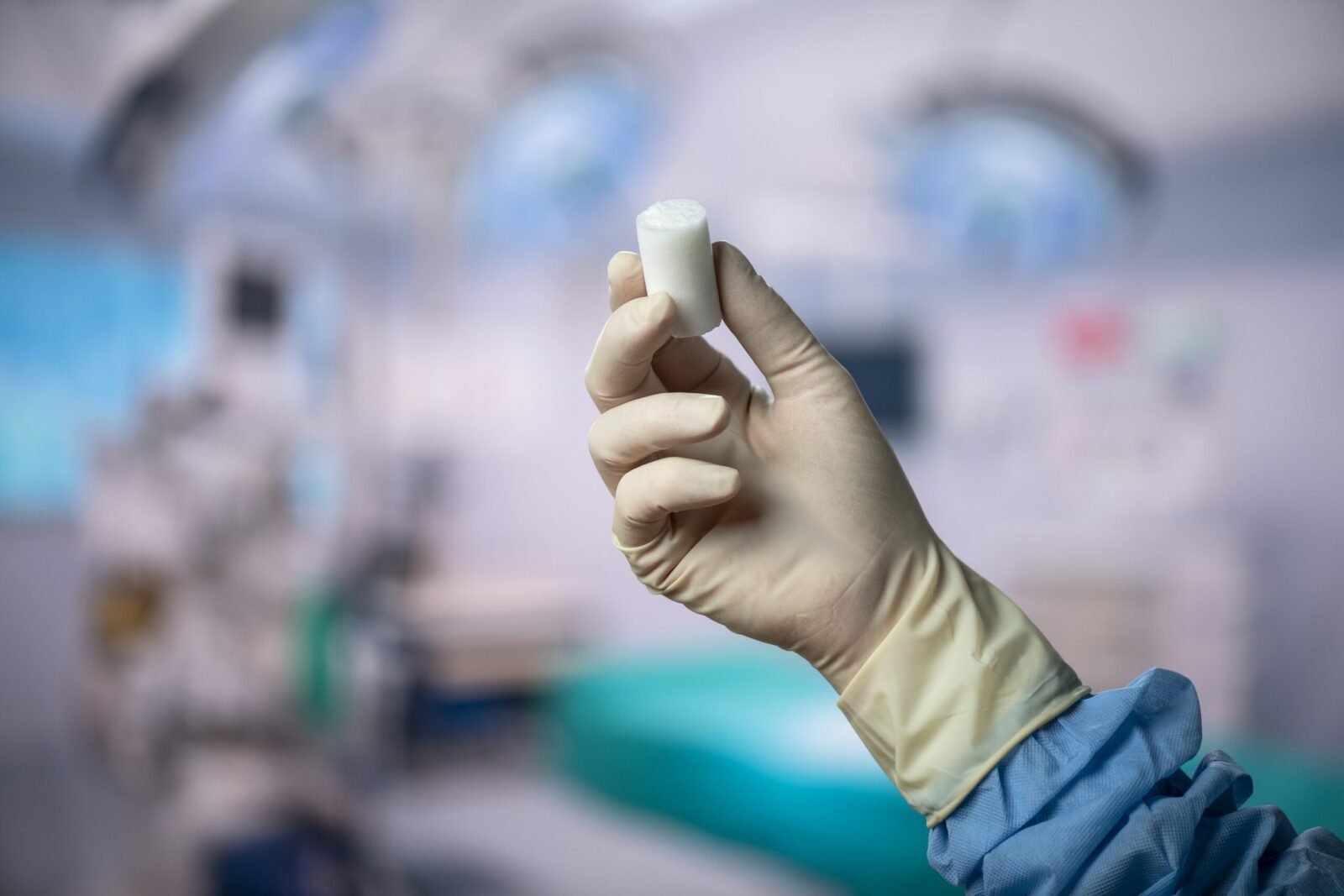
Westborough, Mass. — Miach Orthopaedics, Inc., developer of the BEAR Implant for anterior cruciate ligament restoration, announced new two-year real-world data showing low ACL retear rates and significant improvements in patient-reported outcomes.
The results, from the company’s post-commercialization Bridge Registry, were published in Knee Surgery, Sports Traumatology, Arthroscopy. The company also said more than 10,000 patients in the United States have been treated with the BEAR Implant since its commercial launch.
Among the first 100 Bridge Registry patients followed for two years, the overall ACL retear rate was 5.6%, with no retears reported during the first postoperative year.
Patients treated using a modified surgical technique had a retear rate of 2.5%, compared with 8% among those treated with the original technique.
Patient-reported outcomes also showed continued improvement in knee function. At two years, the mean International Knee Documentation Committee score was 87.4. Knee injury and Osteoarthritis Outcome Score results were 94.7 for pain, 97.6 for activities of daily living and 88.2 for sports and recreational function.
The study authors said the improvements were clinically meaningful and exceeded established thresholds for acceptable symptom states.
“These two-year outcomes reflect real-world use of the BEAR Implant after its commercial release, and they show low retear rates across a broader range of patients than the original trials studied,” said Jocelyn Wittstein, MD, lead author of the Bridge Registry two-year analysis. “The registry includes younger patients at high risk and older patients at lower risk. Seeing low rates of retear and continued improvement in patient-reported outcomes through two years gives surgeons greater confidence as they counsel patients and select candidates for ACL restoration.”
Miach said the BEAR Implant itself has remained unchanged since commercial launch, while surgeons have refined the procedure through commercial experience. Changes have included different fixation methods, stronger sutures and alternative suture patterns.
The rehabilitation protocol has also evolved as surgeons and physical therapists gained experience with the procedure, with changes aimed at supporting ligament healing while allowing patients to progress safely toward their functional goals.
Among Bridge Registry patients who played sports before their injury, 87.2% had returned to sport by two years.
“The Bridge Registry results are outstanding and provide real-world validation of the BEAR Implant procedure after commercial launch,” said Jamal Rushdy, president and chief executive officer of Miach Orthopaedics. “Combined with the experience of more than 10,000 patients, these data demonstrate the momentum we see with surgeon adoption. Miach is on a path to define the standard of care for joint preservation through ACL restoration.”