

SEATTLE — Parse Biosciences and bit.bio have formed an alliance to create a comprehensive map of transcription factor-driven cell identity, a project the companies said could support AI-driven predictive medicine, drug discovery and human cell manufacturing.
Parse, a provider of scalable single-cell sequencing technology, said the partnership will focus on mapping both cell state and cell fate. The companies said the resulting data could serve as a blueprint for developing human-relevant biological models at scale.
The alliance will combine bit.bio’s cell programming technology, opti-ox, and its Discovery platform, The Cell Foundry, with Parse’s Evercode single-cell technology. The companies said the work will build on existing proprietary data to create a dataset showing how specific genetic inputs lead to specific biological outputs.
The companies said the collaboration will use massively parallel causal transcriptomics, a method that allows researchers to test thousands of genetic variables at the same time to better understand what drives cell behavior.
The dataset is expected to help guide therapy design and large-scale human cell manufacturing, while also supporting AI models that predict how cells respond to drugs or disease.
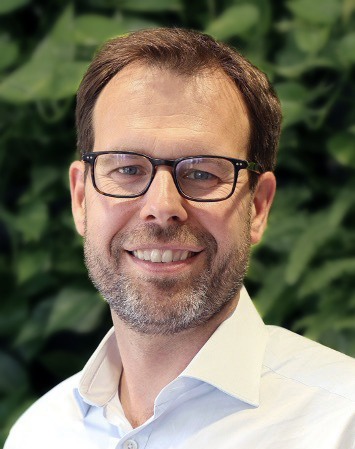
“Cells operate on code, and by mapping how specific transcription factors dictate cell fate, we are unlocking that operating system. This collaboration doesn’t just generate data; it provides a foundational map for bit.bio to scale human-relevant models and feed predictive AI systems, moving the entire field closer to reliably replicating and therefore predicting human biology,” said Przemek Obloj, CEO of bit.bio.
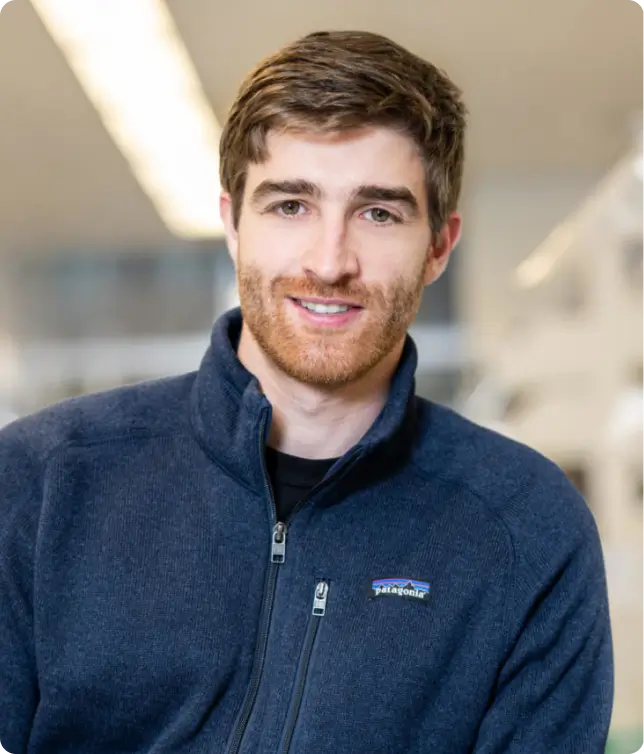
“Researchers need insights that they can translate into impact,” said Charlie Roco, Ph.D., co-founder and chief technology officer at Parse Biosciences. “Our close alliance with bit.bio will create foundational datasets that establish clear causal links between genetic changes and biological outcomes, the kind of information that predictive medicine needs but has rarely had.”