

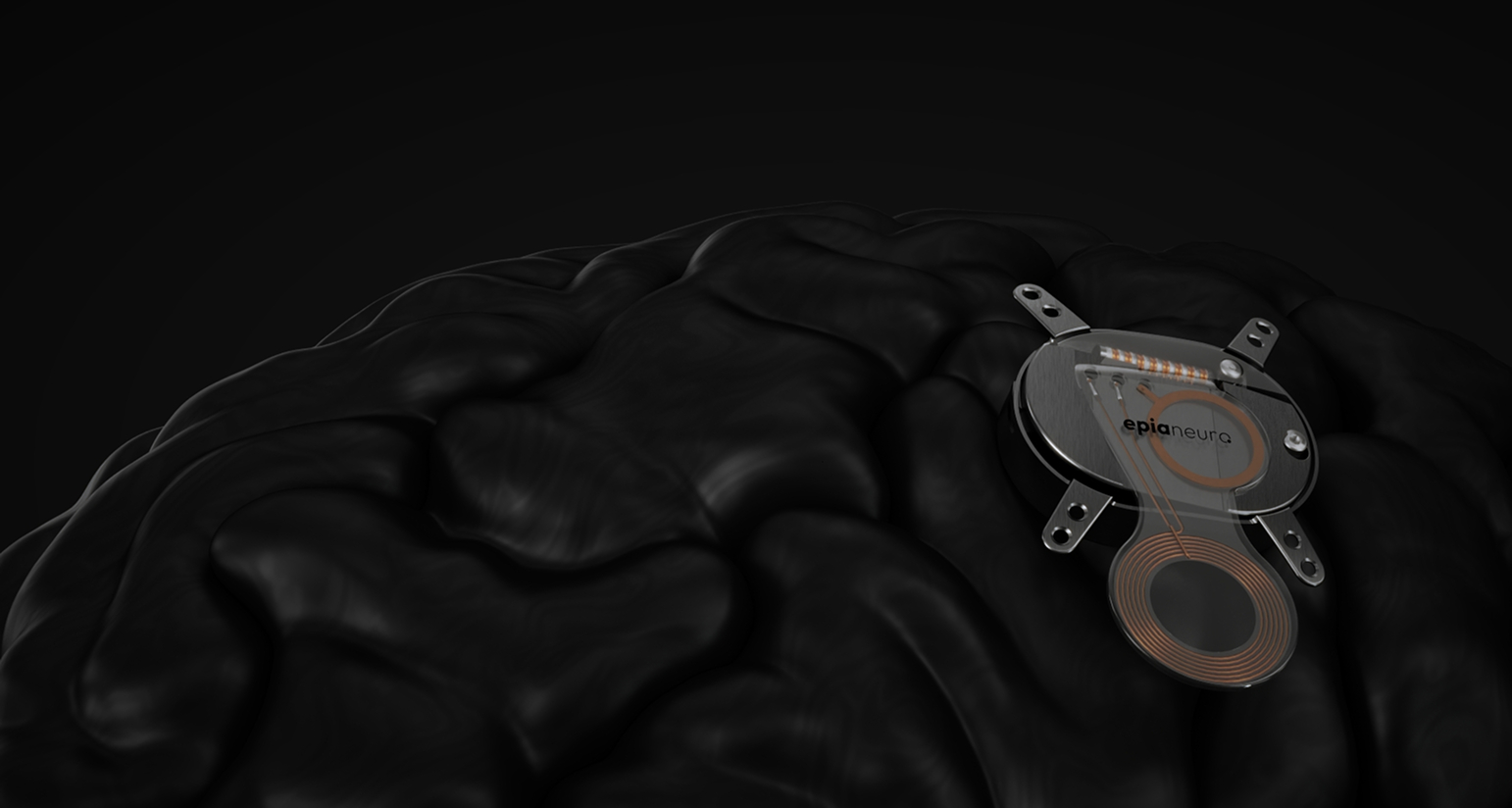
SAN FRANCISCO — Epia Neuro, a brain-computer interface company focused on restoring independence for people with neurological conditions, has officially launched with a platform designed to translate brain signals into actionable digital commands for rehabilitation and assistive therapies.
The company is developing an intent-driven neural interface system aimed at helping stroke survivors and individuals experiencing cognitive decline regain functional movement and independence.
Epia Neuro’s lead product is structured as a dual-phase therapy, supporting both post-stroke recovery and long-term assistive living. The system combines a minimally invasive “read/write” brain-computer interface with assistive devices and AI-driven support to convert neural intent into real-world actions.
The company said it is working toward its first human system demonstrations later this year at the Department of Neurosurgery at Lenox Hill Hospital in New York.
Michel Maharbiz, Ph.D., the company’s chief executive officer, said the technology is designed to restore meaningful independence.
“Epia Neuro was founded to restore meaningful function, provide real independence and ultimately provide the support individuals need to be fully present in their lives,” Maharbiz said. “Over the past five years, our team has been building our first product: a system that interprets neural intent in real time and translates it into rehabilitation therapies and practical, everyday assistance. We’re starting with stroke and plan to rapidly expand into additional neurological conditions.”
Dr. David J. Lin, M.D., a neurologist and director of Massachusetts General Hospital’s Neurorecovery Clinic, said the company’s approach stands out for its focus on translating neural signals into practical outcomes.
“Restoring function after neurological injury requires not just decoding signals, but translating them into meaningful, real-world actions for individuals post stroke,” Lin said. “What is compelling about Epia Neuro’s approach is its focus on real-time interpretation of neural intent and its potential to deliver practical, day-to-day independence, starting with a focus on people with stroke where the unmet need is enormous.”
At the core of the platform is a proprietary implantable interface designed for long-term durability and surgical scalability. The device can be implanted within the skull in under an hour without piercing the dura, enabling a streamlined clinical workflow. It remains fully internal and invisible, with external charging via a non-invasive headset.
The system integrates neural signals with contextual data from external sensors to drive assistive actions, including control of a grip-assist motor prosthetic aimed at improving upper-limb function. Unlike traditional read-only systems, the platform supports both sensing and stimulation at cortical and deeper brain levels.
Stroke remains a leading cause of long-term disability in the United States, with roughly 690,000 new survivors each year. Epia Neuro estimates that about 60,000 of those patients annually could be eligible for its technology, representing a potential U.S. market opportunity exceeding $5 billion, depending on pricing.
The company plans to initially focus on stroke-related motor impairment, with future expansion into cognitive decline and other neurological disorders as it targets long-term solutions for an aging population.